


Neighbor Matters
This week we launched Neighbor Matters, a new commentary series from Green Mountain Justice and the Addison Independent. Below is the introduction. New installments run in the coming months. Read the series as it unfolds at addisonindependent.com, and follow along here.
Read the title of this series twice. First, read it as a subject. Neighbor Matters. The matters of our neighbors. Issues affecting our neighbors today. Perspectives on values, challenges, and opportunities for change.
Now move the ‘s.’ Neighbors Matter. A declaration. Every person in this community of communities embodies inherent and equal worth. Regardless of class, color, sex, orientation, or even political persuasion. Every one.
This is the third commentary series Green Mountain Justice and the Addison Independent have created together. “Living Together” brought a diversity of voices to the intersections of homelessness, and earned First Place in the New England Better Newspaper Competition for newsroom collaboration. “Freedom & Unity” asked how Vermont’s motto actually shows up in our communities. Neighbor Matters goes one layer deeper. It asks what we owe each other, and what happens when we pay it.
Here is the problem we face. Vermont is becoming more inequitable, not less. More of our neighbors are being pushed to the margins. Not just into homelessness, though we are a leader in the nation in shameful ways there. Pushed out of housing, out of health, out of dignity, out of view. A yawning gap has opened between our neighbors of privilege and our neighbors on the edge. And most of us good people tiptoe past it every day.
Why? Not because we are cruel. Because we are disconnected. And disconnection, it turns out, is the engine of nearly everything this series will examine.
Consider what researchers keep rediscovering. Journalist Johann Hari surveyed decades of addiction science and concluded that the opposite of addiction is not sobriety. It is connection. Kevin Adler, who spent years reuniting unhoused people with their families, calls homelessness a crisis of “relational poverty” as much as material poverty. Isabel Wilkerson traced how caste systems survive by keeping people from truly knowing one another. Study after study on tribalism and division points the same direction. When strangers become neighbors, contempt and divisiveness have nowhere to live.
Connection is not one remedy among many. It is the common antidote.
And it turns out, connection heals in both directions. When a marginalized neighbor is truly witnessed through a caring relationship, not processed, not case-managed, but seen, wounds start to heal. The constant inflammation of life on the edge eases. And when a privileged neighbor shows up and gets close to a neighbor in need, something mends in them too. The quiet moral injury of tiptoeing past suffering, week after week, year after year, begins to heal. We were not built to look away. It costs us something every time we do.
That is also the true meaning of liberation. We tend to imagine liberation as freedom from something. From poverty, from addiction, from oppression. But the deeper tradition, echoed across faiths and confirmed at every Neighbors’ Table we host, says liberation is freedom for each other. None of us gets free alone. The neighbor trapped on the margin and the neighbor trapped by their echo chamber of comfort need the same door opened. It only opens from both sides.
Every wisdom tradition already told us this. Hebrew scripture commands love of the stranger, thirty-six times by one rabbi’s count. Jesus of Nazareth points to the least of these. Islam names care of the orphan and the traveler as sacred duty. Buddhism centers compassion for all beings. Indigenous traditions teach kinship with everyone and everything. Centering our marginalized neighbors is not a partisan invention. It is the oldest shared instruction we have. We are simply late in following it.
One caution before we begin. Performance will not undo the forces that profit from keeping us divided. Not lawn signs. Not strongly worded statements. Not charity at arm’s length. These systems were never natural. They are constructions, built on broken and fragile foundations. And they crumble one way only: one trusting relationship at a time.
So that is what this series will document. In the coming months you will hear from neighbors across the full spectrum. Some neighbors will write about what it means to be witnessed in community. Some will share what proximity is teaching them. Travelers will reflect on returning home from less materialistic cultures and seeing our own with new eyes. Others will trace the lines connecting racial justice to the simple act of neighboring, because who lands on the margins here is no accident.
Different voices offering their perspectives on neighbor matters with one thread. Neighbors matter. And connection is how we prove it.
You do not have to wait for the next installment to begin. Somewhere within a mile of your door is a neighbor who has not been truly seen in a long time. Maybe within a room of it. The gap between you is not closed by programs or pity. It is closed by presence.
One neighbor. One connection at a time. That is how healing begins. That is how the constructions that disenfranchise and divide crumble. And that is how we make ready for a liberation worth celebrating.
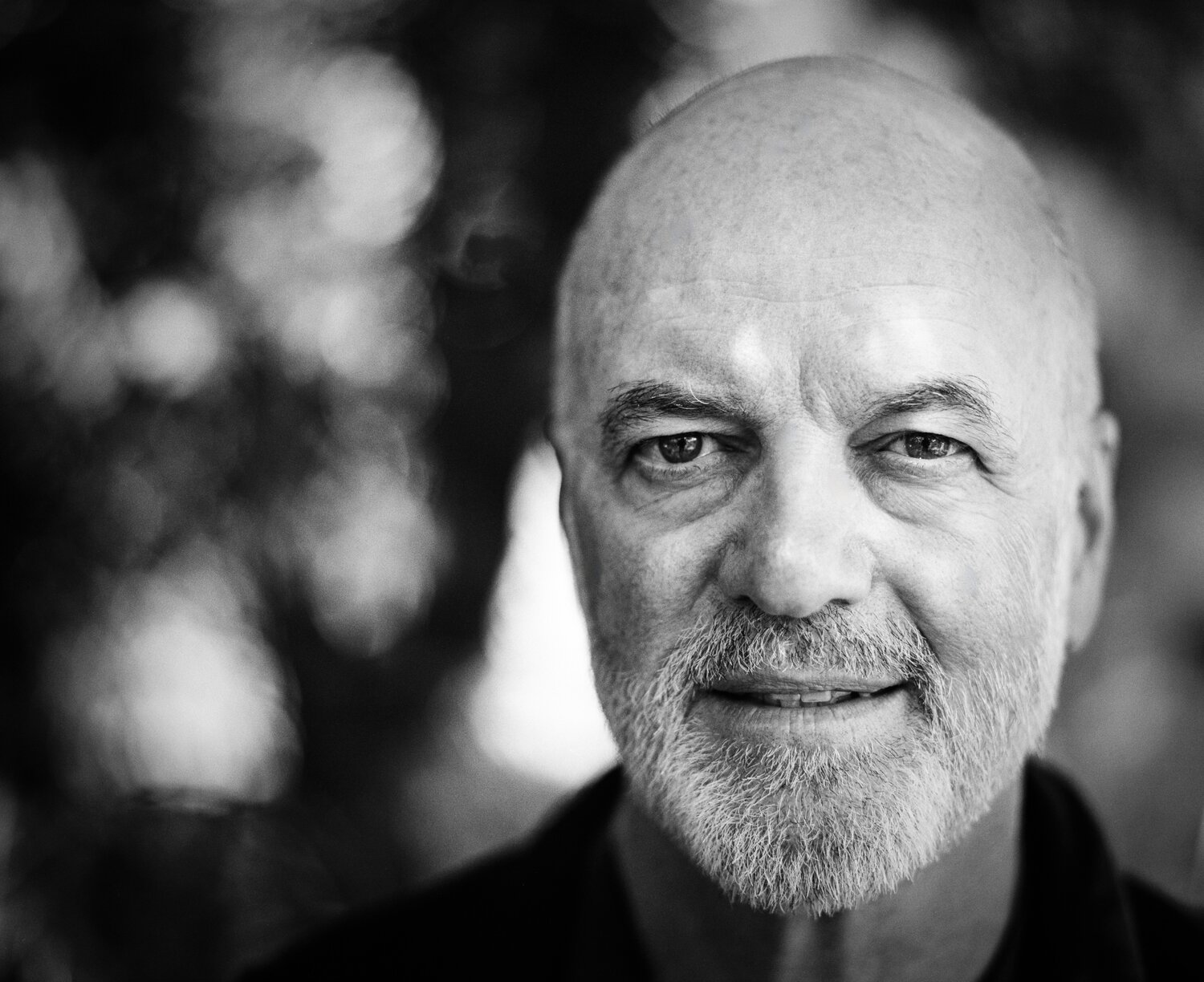
Tom Morgan is a Panton neighbor and founder of Green Mountain Justice. Green Mountain Justice is a Vermont community justice ministry, building beloved community through care, connection, and collaboration, one relationship at a time. Learn more, listen to neighbors’ stories, and connect at greenmountainjustice.org.
Follow the series. New installments of Neighbor Matters run in the Addison Independent in the coming months. Read them as they publish, share them with a neighbor, and join us at greenmountainjustice.org.

