

Comfort Is Not Justice
Eleven officers, six vehicles, and one neighbor at the edge of chaos
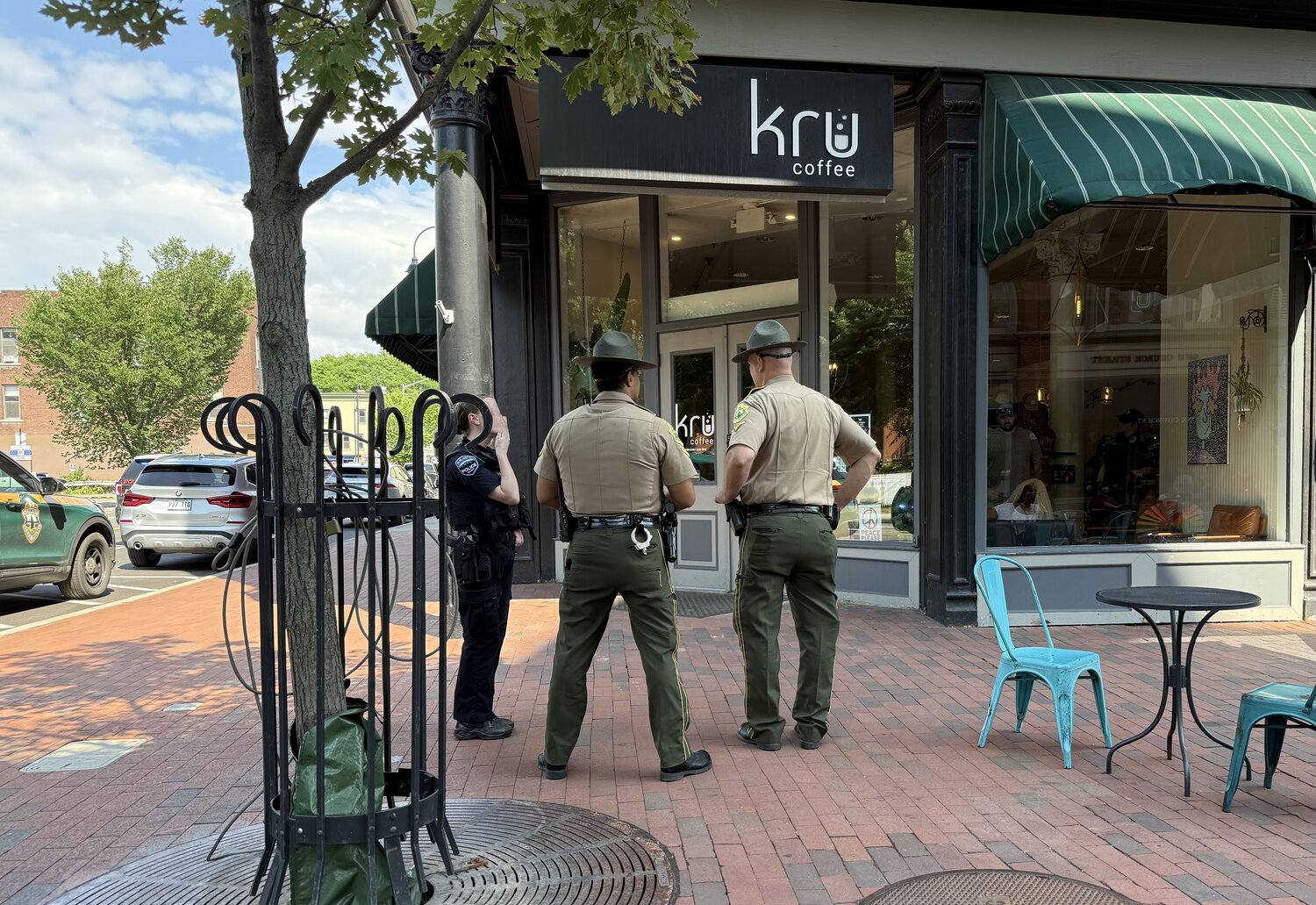
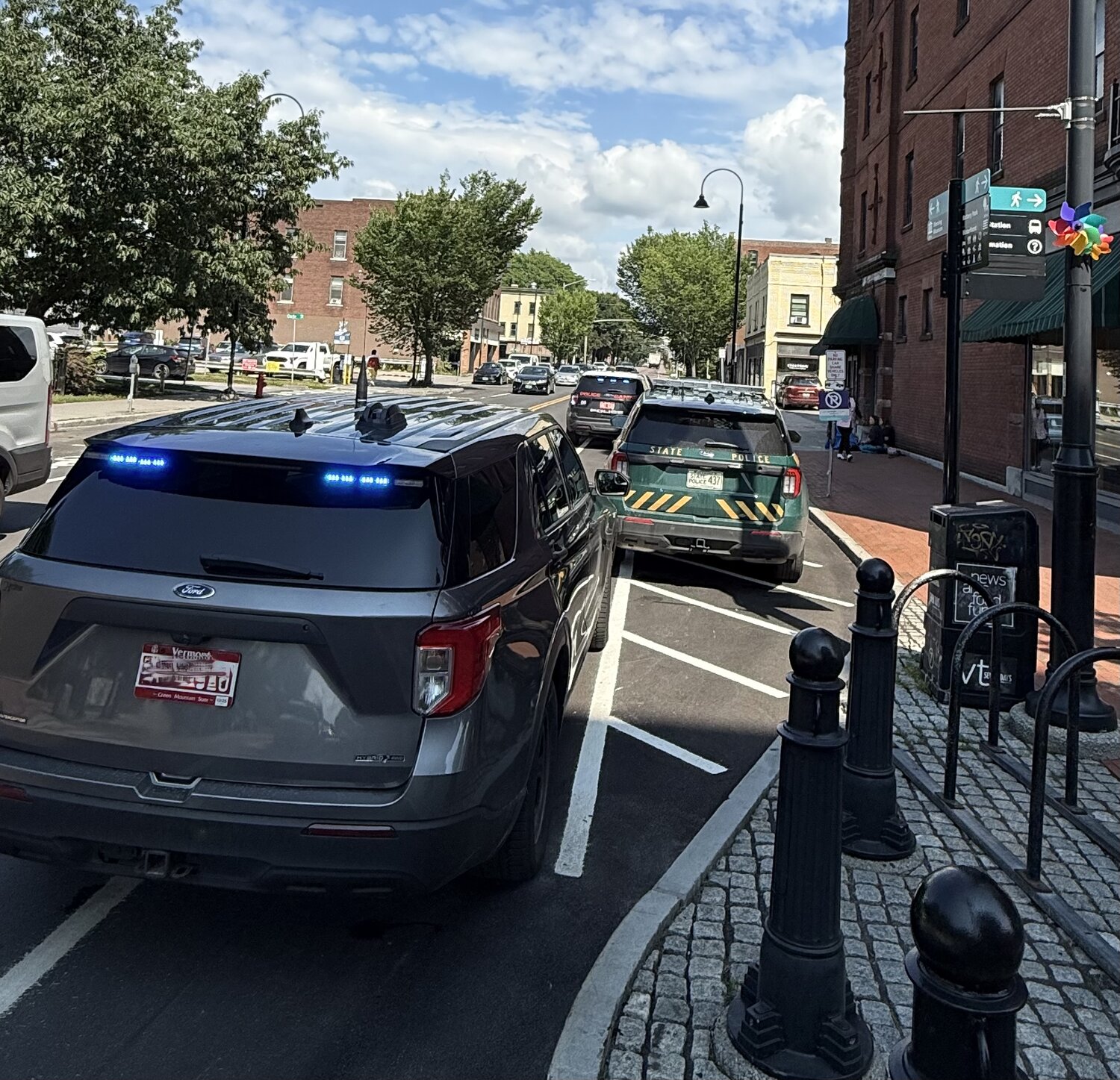
I walked into a coffee shop near the corner of Church and Pearl in Burlington. Police were already inside. More were outside. Before it was over I counted at least eleven officers from two agencies and six vehicles, including a State Police K-9 unit.
At the center of all of it sat one woman.
She is unhoused. She is Black. I know her. We have talked several times. That afternoon she was trying to say something specific. Someone she had trusted as a friend had taken advantage of her. She was angry about it, and she had every right to be.
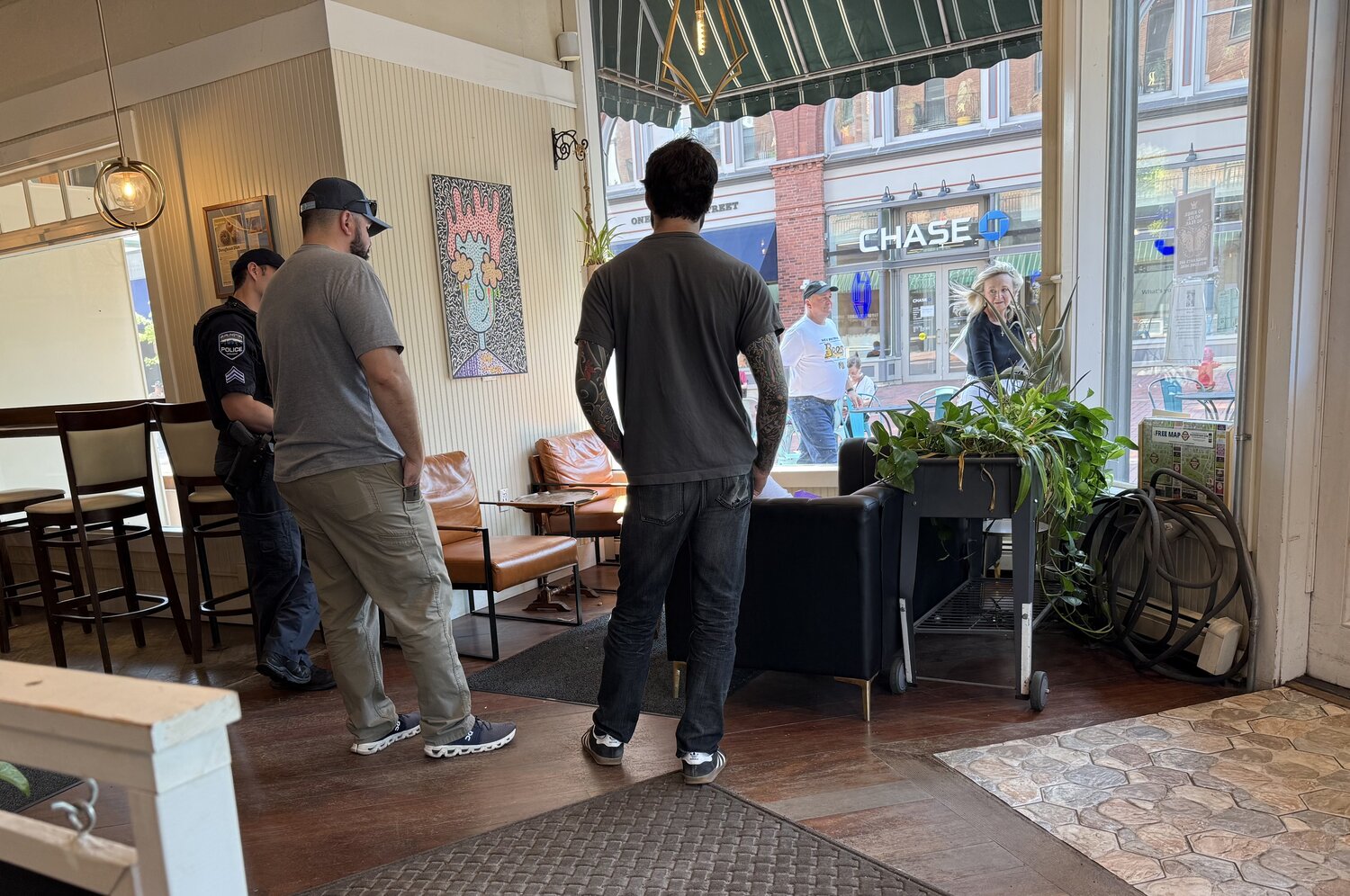
That is not what the room was working on. The officers and the two people who appeared to be outreach workers were focused on getting her out of the shop, and probably to the hospital. The conversation was about her location. It was not about her life.
She does not live where we live
Green Mountain Justice talks about the edge of chaos. It is not a metaphor we reach for because it sounds good. It names the unstable zone between order and disorder where our marginalized neighbors actually live, and where nearly all of their energy goes to surviving the day in front of them.
That is her address. Not a shop. Not a shelter bed. The edge.
Nobody at the edge gets to schedule their bad afternoon. Nobody at the edge gets to have a hard conversation in private. When your life happens in public, your worst moment happens in public too.
So she was doing what any of us would do. She was naming a betrayal out loud in the only room she had.
The crowd
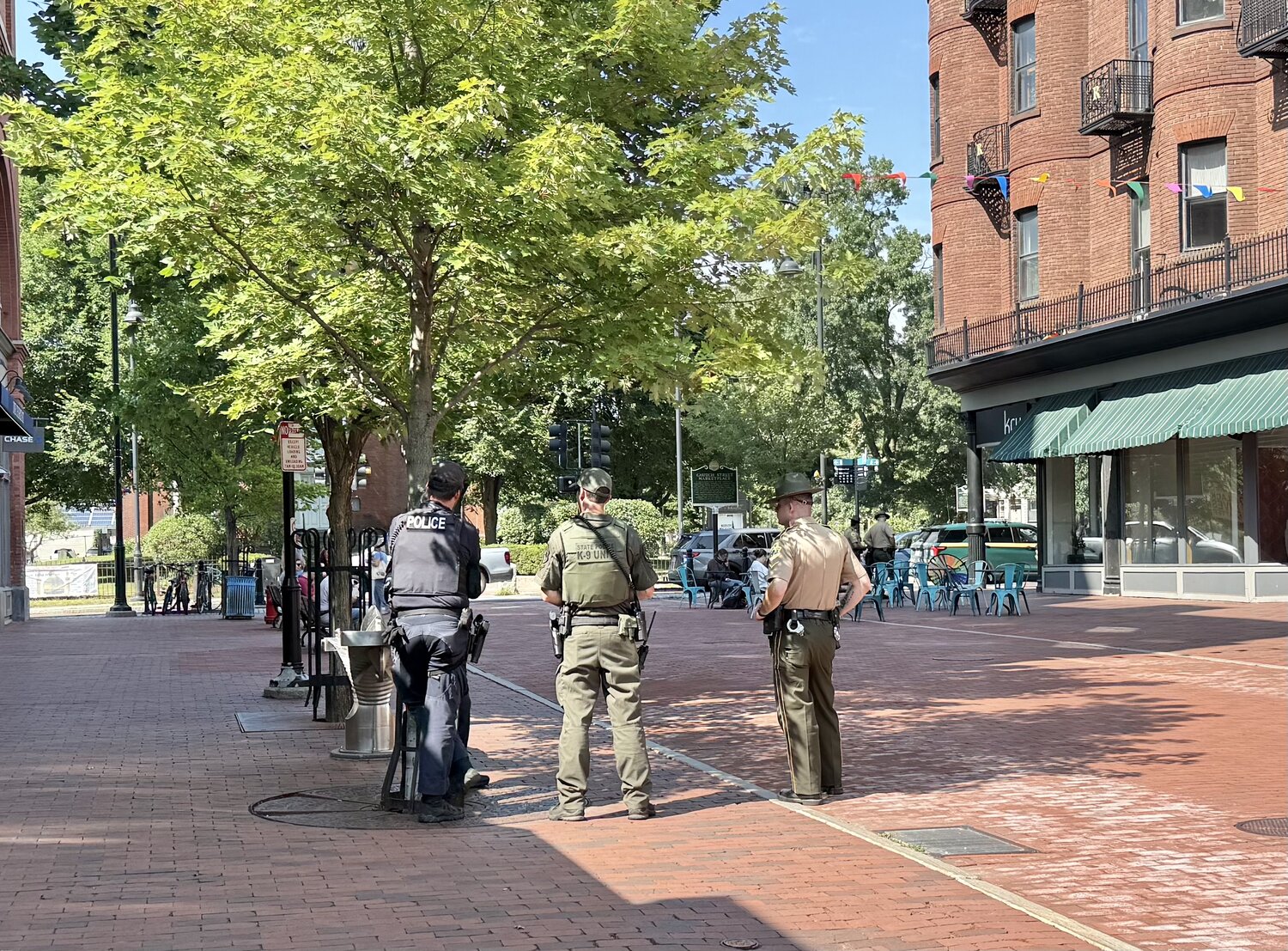
Outside, people slowed down to watch. Traffic bent around the cruisers. Phones came out.
The watching had a particular quality to it. Voyeuristic and uncomfortable at the same time. People could not look away and did not want to be caught looking. A woman’s hardest hour became content for strangers who will never learn her name.
That is what a response of this size does. Eleven officers do not de-escalate a scene. They announce one.
Comfort, or equitable justice?
Were the police there to apply equitable justice? Or were they there to restore and reinforce the privilege of comfort?
The officers I watched were not cruel. They were patient. But the whole apparatus was pointed at one outcome, which was her removal from a room where her presence had become uncomfortable.
If a housed man had said the same words at the same volume about a friend who cheated him, would eleven officers have come?
Equitable justice asks what this person needs. Comfort asks how fast she can be somewhere else. Those two questions look similar from a distance. They produce completely different afternoons.
We are for public safety
For Green Mountain Justice, equity is a core value. We are for public safety. For everyone.
That includes the barista behind the counter. It includes the shop owner watching a Tuesday afternoon evaporate. It includes families walking down to the waterfront and the officers who answered the call. It also includes the woman in the chair.
Safety that works for some people and not others is not safety. It is sorting. And sorting is how caste works.
What Burlington Forward gets right
Last Friday the Democratic caucus of the Burlington City Council announced “Burlington Forward,” a twenty-one page framework they plan to bring to the council in August. It is a serious document, and parts of it deserve serious support.
It calls for expanded shelter capacity. It calls for sanctioned camping sites. It says out loud what people in this work have been saying for years, which is that Burlington cannot carry the whole state on its shoulders while surrounding towns look away. It asks the state to show up.
We agree with all of that. Burlington has been absorbing a statewide failure with a city budget. That is not sustainable and it is not fair.
What worries us
The rest of the framework leans hard on removal and enforcement. Faster encampment clearing. More officers hired sooner. New “public space response teams” with authority to issue citations. New zoning hurdles for the needle exchange and the planned overdose prevention center.
Councilors were asked what accountability means. One answer was that people refusing to engage would be put through the system.
Here is our question. Which system? The broken ones Vermonters keep pouring money into?
The one that lost her housing? The one that could not treat her before the crisis? The one that sent eleven officers to a coffee shop because there was no one else left to send?
We are not naive about this. Most Vermonters already know our systems of care are broken. Because of our proximal ministry, because of the neighbors we walk with every week, Green Mountain Justice knows it in specifics rather than headlines. Broken systems are exactly why a woman ends up in a chair in a coffee shop with nowhere else to be.
You cannot enforce your way out of a loss of individual, systemic, or institutional humanity. You can only move it a few blocks.
The cost nobody is counting
Something else happened in that shop that will not appear in any performance measure.
A woman was humiliated in public by a response wildly out of proportion to what she needed. That is trauma, and it will follow her into the next encounter, and the one after that. It makes her less likely to trust the next person who offers help.
The officers paid something too. Most of them signed up to protect people. None of them signed up to be Vermont’s mental health system, its housing authority and its detox unit at the same time. Asking good people to do work they were never equipped to do, over and over, in front of a crowd, is how moral injury accumulates. It is quieter than a headline and it lasts longer.
The crowd paid something as well. It learned that a person in distress is a spectacle. Once a community learns that, it is hard to unlearn.
Start upstream
Vermont has to start working upstream of homelessness, public substance use, and untreated mental illness.
Upstream is housing that exists before the eviction. It is treatment available on the day someone asks, not eleven weeks later. It is a trusted human being who already knows your name when the hard afternoon arrives.
We know this works because we watch it work. The opposite of marginalization is not tolerance and it is not removal. It is connection, and connection is what moves a neighbor toward the center of a community instead of out of its sightlines.
Every relationship in our ecosystem started the same way. Someone stayed at the edge long enough to ask what it is like to be you.
And yes, Middlebury
Burlington is getting the attention right now. Burlington is not the only one.
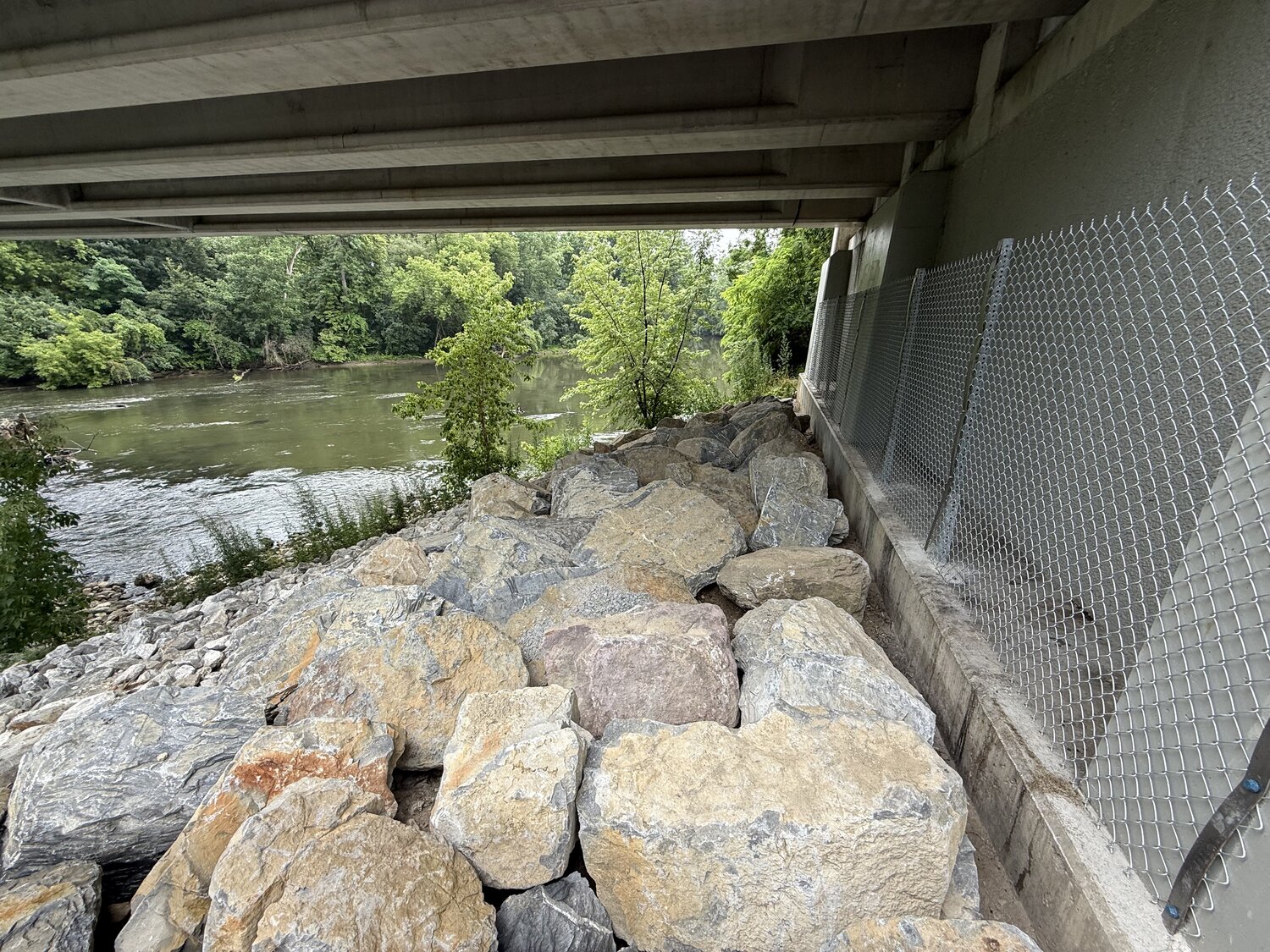
Middlebury, I mean you. This is the underside of the Cross Street bridge where people used to sleep. The town hauled in boulders and ran new fence along the abutment.
That is not a solution. It is a message, and the message is Middlebury does not want you here. Move along.
Nothing about that stone changed a single condition in anyone’s life. It did not open a bed. It did not treat an illness. It did not answer a phone. It cost real money and bought exactly one thing, which is that the rest of us no longer have to see who was sleeping there. They are still out there. They are just somewhere we do not have to drive past. Caste does not always announce itself. Sometimes it arrives as a load of stone.
We know some of the people who sheltered under that bridge. We know their names. I have sat under there with them, and built trusting relationships that have lasted for year.
Throwing people out of shops, off our streets and out from under our bridges will not solve our problems. It will not even hide them for long. What it will do is tell every Vermonter watching exactly what we value, and I do not think we mean what we are saying.
What we are asking
To the Burlington City Council: keep the shelter beds, the sanctioned sites and the regional accountability. Slow down on the parts that treat removal as a strategy. Send this through committee. Ask the people who will live under this policy what they think of it, before the vote and not after.
To everyone else: stop intellectualizing impoverishment because it’s more comfortable; move in closer. Learn a name. Listen to a story. Care.
Public safety is not the absence of poor people from the public square. It is the presence of a community that refuses to look away.
Care. Connect. Collaborate.
Green Mountain Justice is a Vermont community justice ministry working toward a beloved community of communities through the liberating power of Love. Learn more at greenmountainjustice.org.

