

The Value of Proximity and the Cost of Keeping Our Distance
Bryan Stevenson, civil rights attorney, founder of the Equal Justice Initiative, and author of Just Mercy, says we need to get proximate to suffering. Not just close to people in need. Close to their suffering. There’s a difference.
It’s also an uncomfortable difference. And comfort, it turns out, is the thing standing between Vermont and its most vulnerable neighbors.
How We Got Here
Think back to 2019. Homelessness was already a problem in Vermont. But what came next made it worse in ways no one anticipated.
The pandemic hit in early 2020 and disconnection became policy. We stopped gathering. Stopped looking each other in the eye. We retreated into our screens and our tribes. Political tribalism exploded. We sorted ourselves into camps and dug in. The fabric of community frayed.
Then came the federal money. Unprecedented amounts. Money Vermont wasn’t used to having. And what happened? The social service industrial complex absorbed it. Grew bigger. Built more bureaucracy. Created more programs, more reporting requirements, more layers between the people who need help and the help itself.
Over the past six or seven years, Vermont has spent somewhere between $700 million and $1 billion trying to address homelessness. Read that again. Up to a billion dollars.
And today? 320% more Vermonters are homeless than in 2019. The money fed the system. Not the people the system was supposed to serve.
But here’s the thing about spending that kind of money: it’s comfortable. It lets lawmakers say they’re “doing something.” It lets taxpayers feel they’ve done their part. It keeps the crisis at arm’s length, managed by professionals, wrapped in paperwork, safely distant from most of our daily lives. A billion dollars buys a lot of comfort for people who aren’t the ones sleeping outside.
The Comfort of Buzzwords
I’ve been listening to our legislative committees wrestle with this crisis. So far, most of the conversation is about how to continue feeding the same status quo systems that have already proven too expensive and too ineffective. The same systems that consumed up to a billion dollars and delivered worse outcomes.
And now, bills like H. 772 would shorten eviction timelines and strip tenant protections, making it faster and easier to push vulnerable Vermonters out of their housing. In the middle of a homelessness crisis that has grown 320% in six years, the proposed solution is to make evictions more efficient. With a statewide vacancy rate of 2.1%, where exactly are newly evicted Vermonters supposed to go? Into shelters that are already full? Encampments? Their vehicles? When GMJ reached out to testify with our neighbors who have experienced evictions, we were told there was no room at the table. But landlords (including nonprofit landlords) and lobbyists had no trouble getting a seat at the table. That’s not an accident. That’s disenfranchisement. That’s structural inequity.
Meanwhile listening in on another committee, buzzwords fly around the room. “Providers.” “Services.” “Case management.” The legislators themselves have struggled to even define what those terms mean. But they keep using them. Because that’s the language of the machine. And the machine is comfortable. It gives favored players a role to play without requiring most taxpayers to actually get close to the suffering.
Here’s what’s missing from those conversations: people. Actual human beings. Not “cases.” Not “clients.” Not “service recipients.” Neighbors. People with names and stories and inherent worth who are falling off the cliff of inequity into impoverishment. Losing housing. Losing food security. Losing health care. Losing hope.
You can’t legislate your way to belonging. You can’t fund your way to connection. And you can’t “case manage” someone into dignity.
The Comfort of Distance
Vermonters are empathetic people. We see a neighbor sleeping in a doorway and our hearts break. We read about families living in cars and we feel terrible. And too often, that’s where it stops. Feel bad. Write a check. Maybe go to a march. Maybe volunteer at a fundraiser or a community meal.
The system depends on exactly that response. Its guardians praise your charity. And while neighbors and sometimes even family members continue to fall through their widening cracks, the overhead grows. The gaslighting continues. You’re told the system is working. That more money will fix it. That the professionals have it handled. We buy it, and tell our elected elites to do the same. All from our comfortable spaces. From a distance.
That distance is a choice. It’s the choice to keep our neighbors of difference, those living in the margins of Vermont life, at arm’s length. Because getting close is uncomfortable. It disrupts the story we tell ourselves about how things work. It challenges the idea that someone else, some system, some provider, is handling it.
Nobody is handling it. After a three fold increase in homelessness in just seven years, increases in hunger and untreated mental illness, numbers of kids going into Vermont’s foster care system, clearly nobody is handling it. And the scourge of inequity and impoverishment continues to spread like wildfire while we hold tight to our comfort.
What Proximity Actually Looks Like
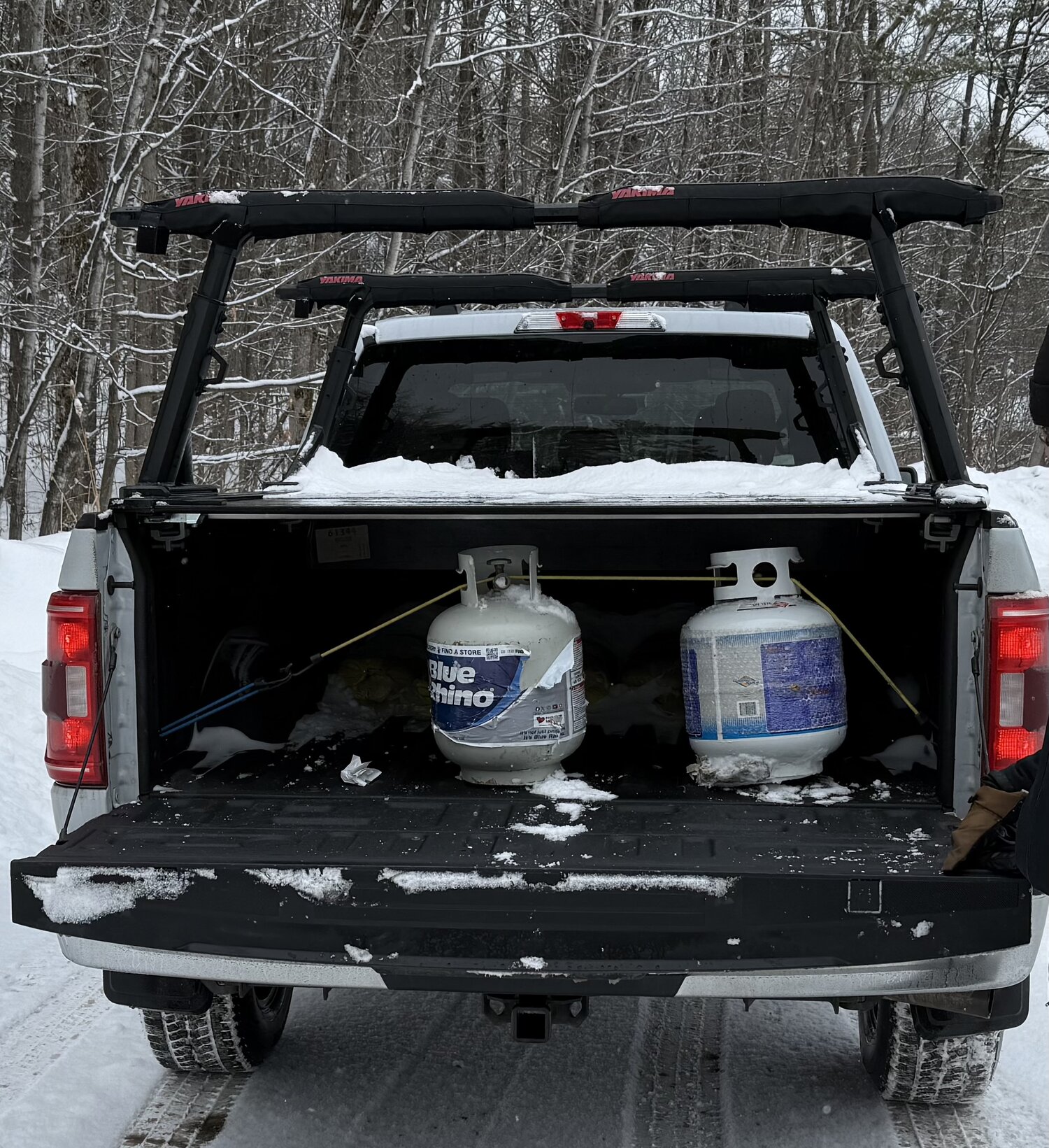
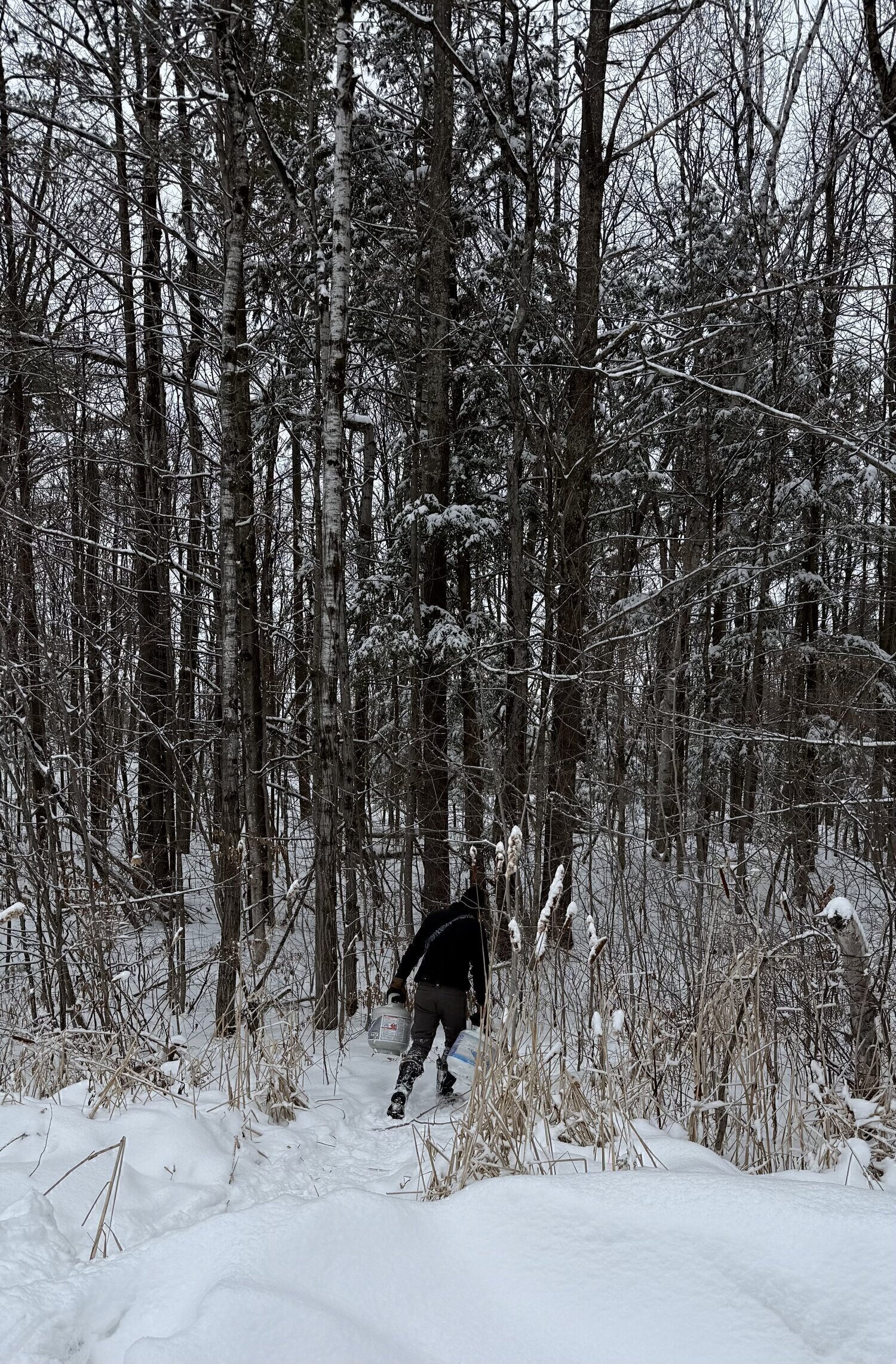
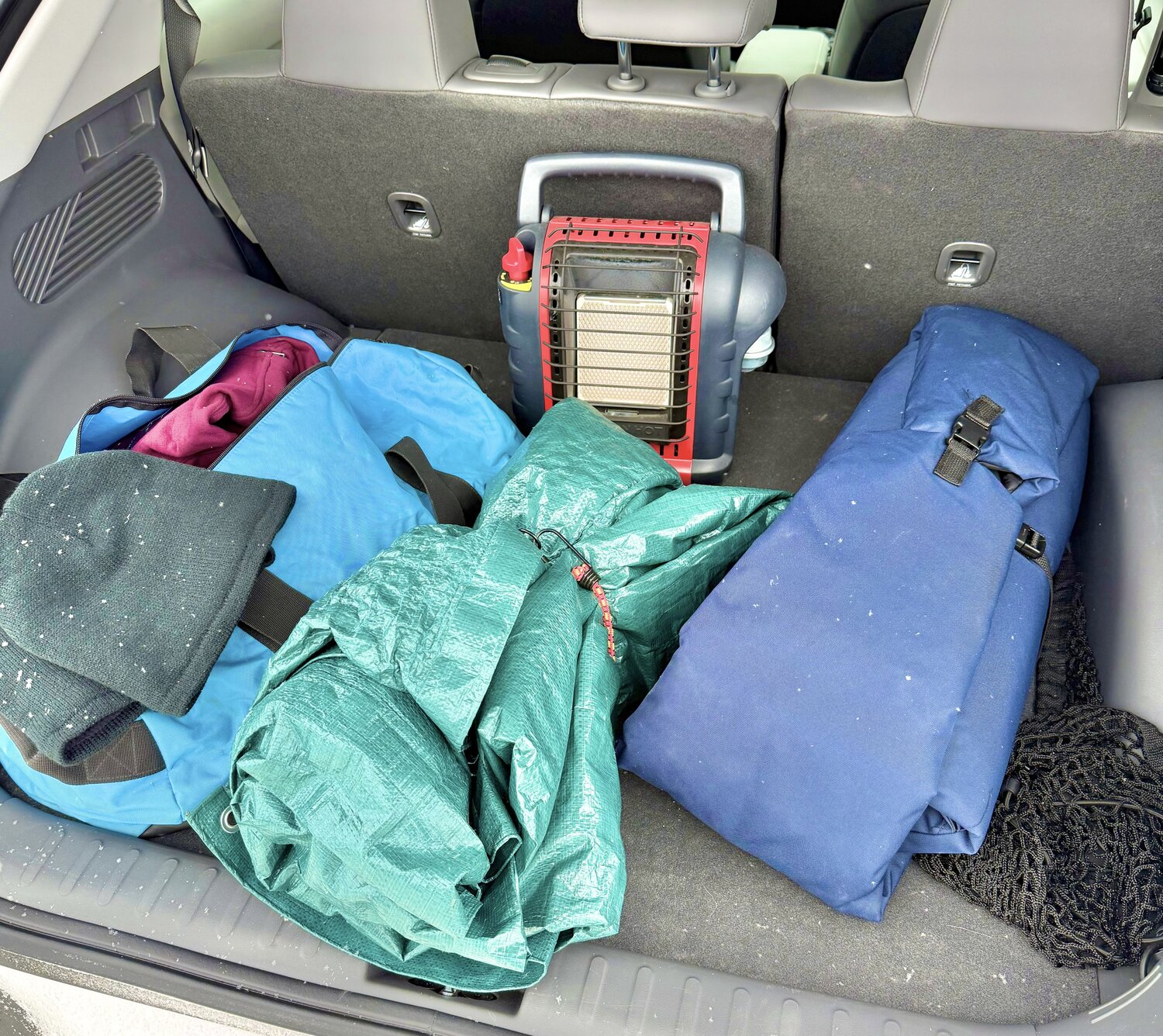
Last week, we loaded propane tanks into the truck and hauled them down a snowy trail to a neighbor living in a tent in the woods. It was cold. The path was rough. The back of our vehicle was packed with tarps, a portable heater, a sleeping pad. The basics of survival that most of us never think about.
That’s what proximity looks like. It’s not theoretical. It’s propane tanks and tarps and heaters. It’s showing up where people actually are, not where we wish they were. It is decidedly uncomfortable. But that’s where our neighbor lives. So that’s where we go.
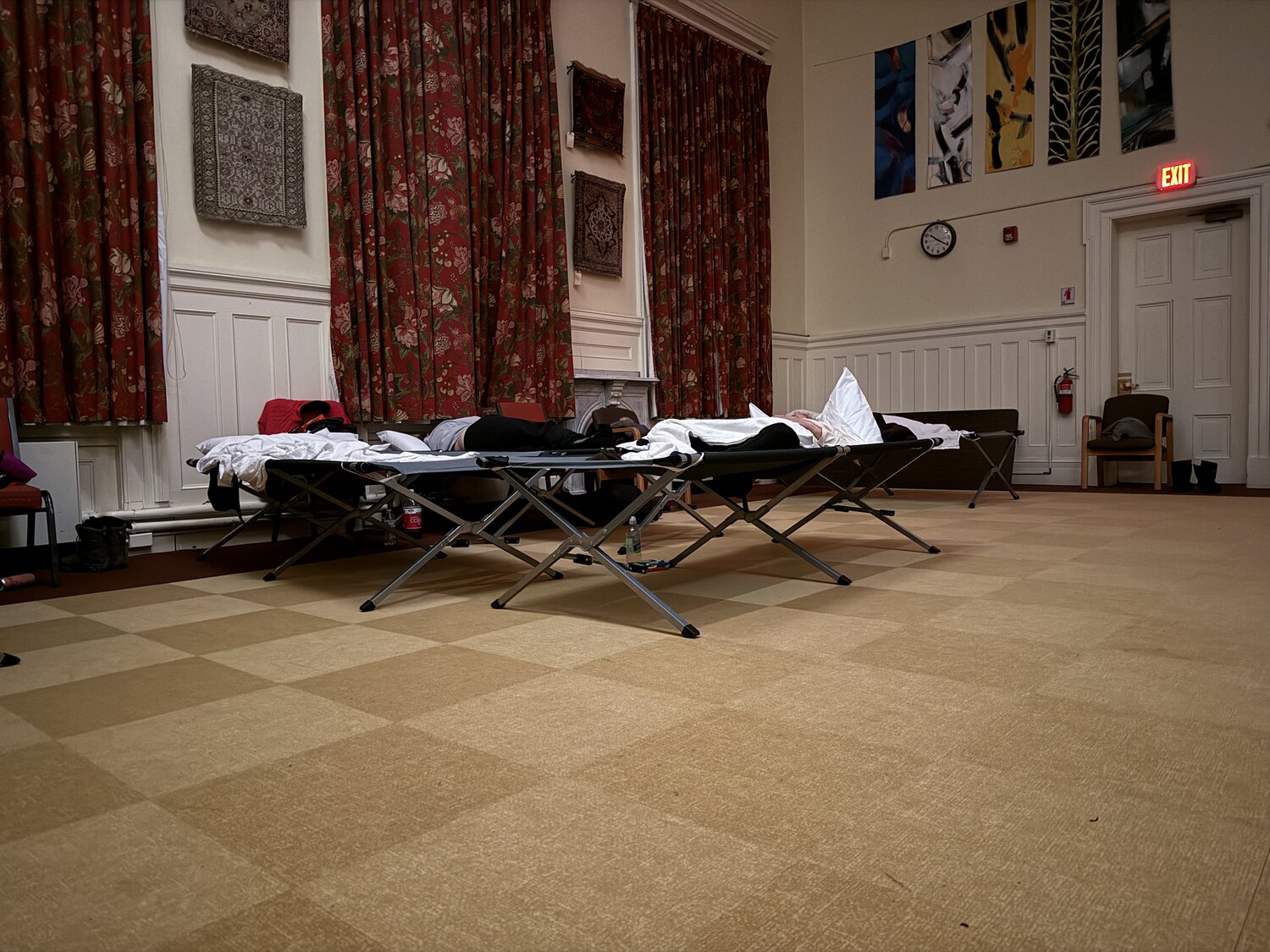
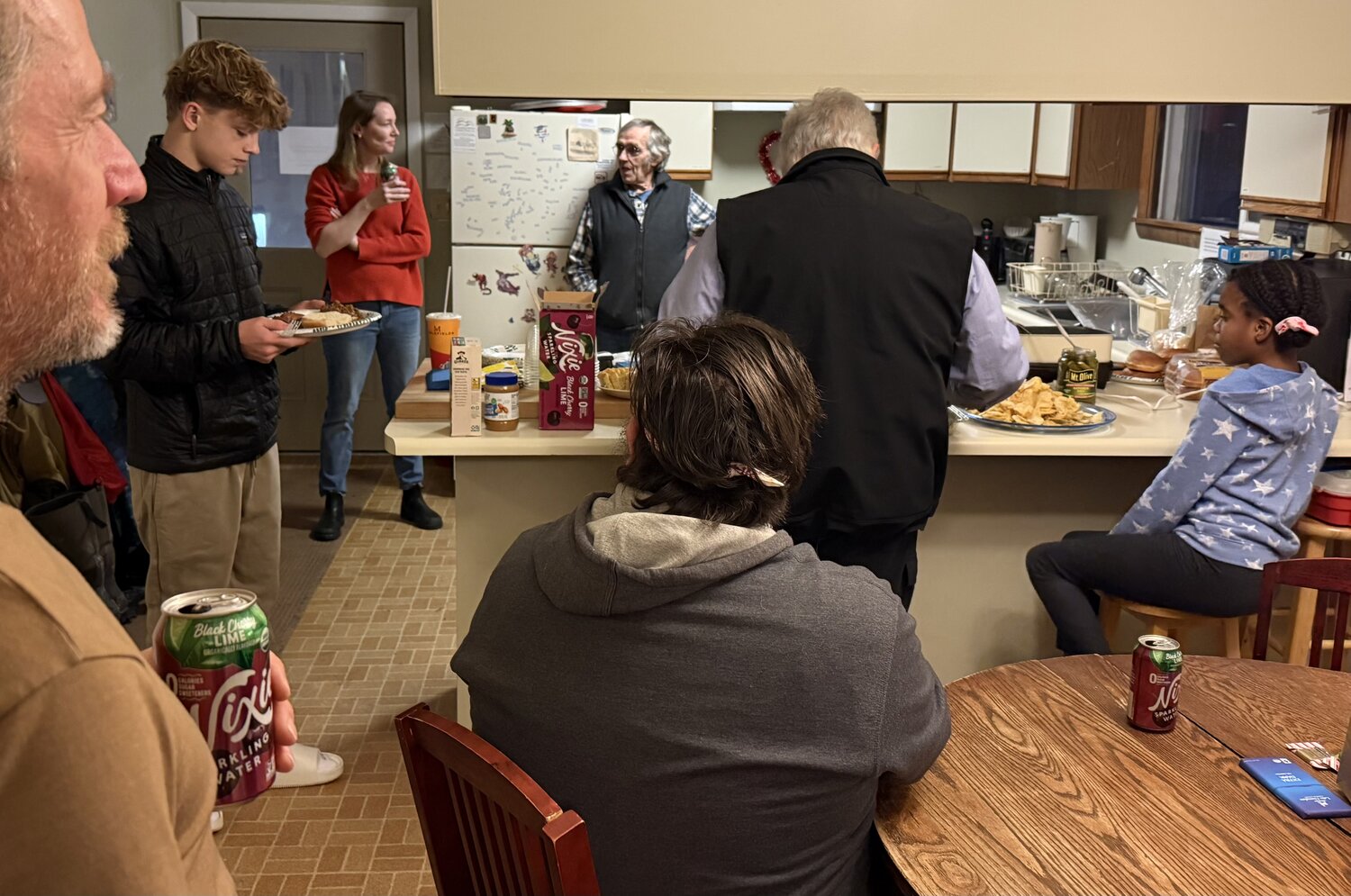
Later that night, we were caring for unsheltered members of our community through our involvement in Vermont’s Extreme Cold Weather Shelter Program. That’s the rhythm of this work. Haul propane in the afternoon. Set up shelter at night. Show up for other neighbors again tomorrow.
Getting Close
Every day, there’s an opportunity to get close. Buy a cup of coffee for someone different from you. Sit down. Listen. Ask the question we’ve built our ministry around: What’s it like to be you?
Not “are you like me?” but “what’s it like to be you?”
When you do that, something shifts. You start to see that they are actually us. The single mom working two jobs in a motel room. The veteran with a traumatic brain injury navigating a benefits system designed to exhaust him. The couple who did everything right and still ended up under a bridge.
These aren’t strangers. These are neighbors. The line between their story and ours is thinner than most of us want to admit.
Equity and Generosity
At Green Mountain Justice, values drive everything we do. Two in particular are relevant here.
The first is equity. Every person has equal and inherent value. But equity goes beyond respecting that truth. It means refusing to subordinate the needs of the marginalized to those of the privileged. Our legislative committees, our systems, our institutions keep centering the comfort of those who already have enough. Equity flips that. It asks: whose needs have been ignored? Start there.
The second is generosity. Not just writing checks, though resources matter. Real generosity is practicing a kind of gratitude that shares not only our resources but also our presence. Our time. Our attention. Our willingness to sit with someone and say, “I’m here. I’m not going anywhere.”
When proximity reveals our interdependence, empathy transforms into authentic care. Trust develops. Relationships form. Healing begins. Not through programs. Not through policy papers. Not through another billion dollars funneled into systems that treat our neighbors as “cases.” Through connection. Face to face. Eye to eye.
The Neighbor Care Difference
This is the essence of Green Mountain Justice’s Neighbor Care ecosystem. We don’t outsource care for our neighbors. We show up. We get proximate. Not just to our neighbors, but as witness and co-bearer of their suffering.
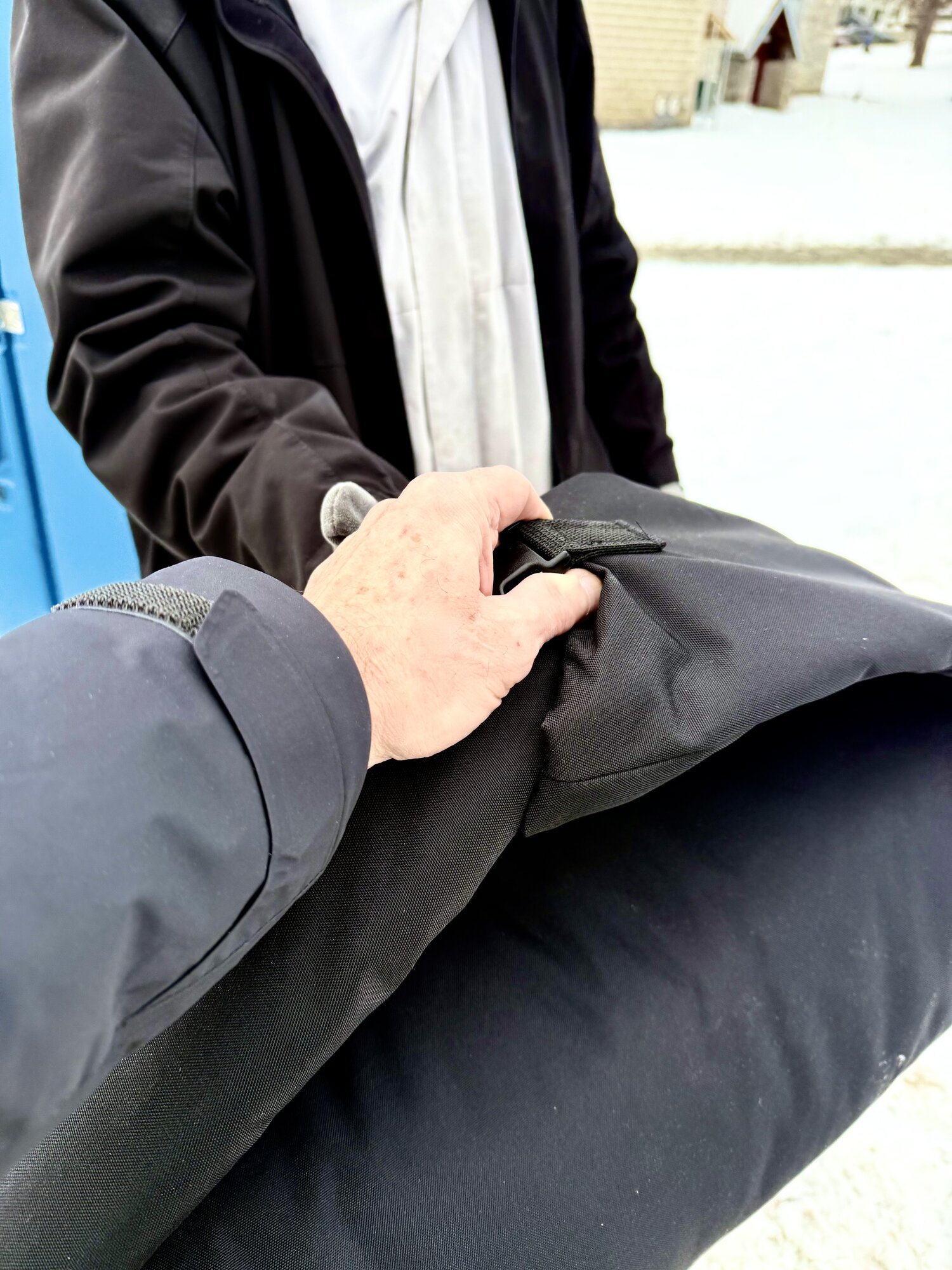
We carry propane into the woods because a neighbor sleeping in a tent needs heat. We care for unsheltered community members through our Extreme Cold Weather Shelter Program because people need a safe, warm place to sleep. We sit with someone in crisis because they need to know they’re not alone. We hand out EMPWR coats that convert into sleeping bags because survival and dignity aren’t luxuries.
No amount of charity will ever create the kinds of connections Vermont needs. No amount of outsourcing will build the relationships that actually transform lives. Not theirs. Ours. All of ours.
Fractals of Connection
Proximity doesn’t stop with one-on-one care. It grows. Like fractals in nature, small patterns of authentic connection replicate and spread. At Green Mountain Justice, we’re building the structures that make that replication possible.
Our Neighbor Care Neighbors are volunteers who practice coming-alongside presence with our most marginalized community members. They don’t fix. They don’t advise. They show up, listen, and walk alongside. Not ahead. Not behind. Alongside. The relationships that develop often change lives, sometimes dramatically, because someone chose to see another person’s full humanity.
Our Neighbors’ Table is a “third space” where neighbors from all walks of life gather for authentic connection through mutual care, deep listening, and beloved community. It’s not a program. It’s a table where everyone belongs. Where the voices most often silenced are centered. Where the practice of seeing each other becomes the practice of healing each other.
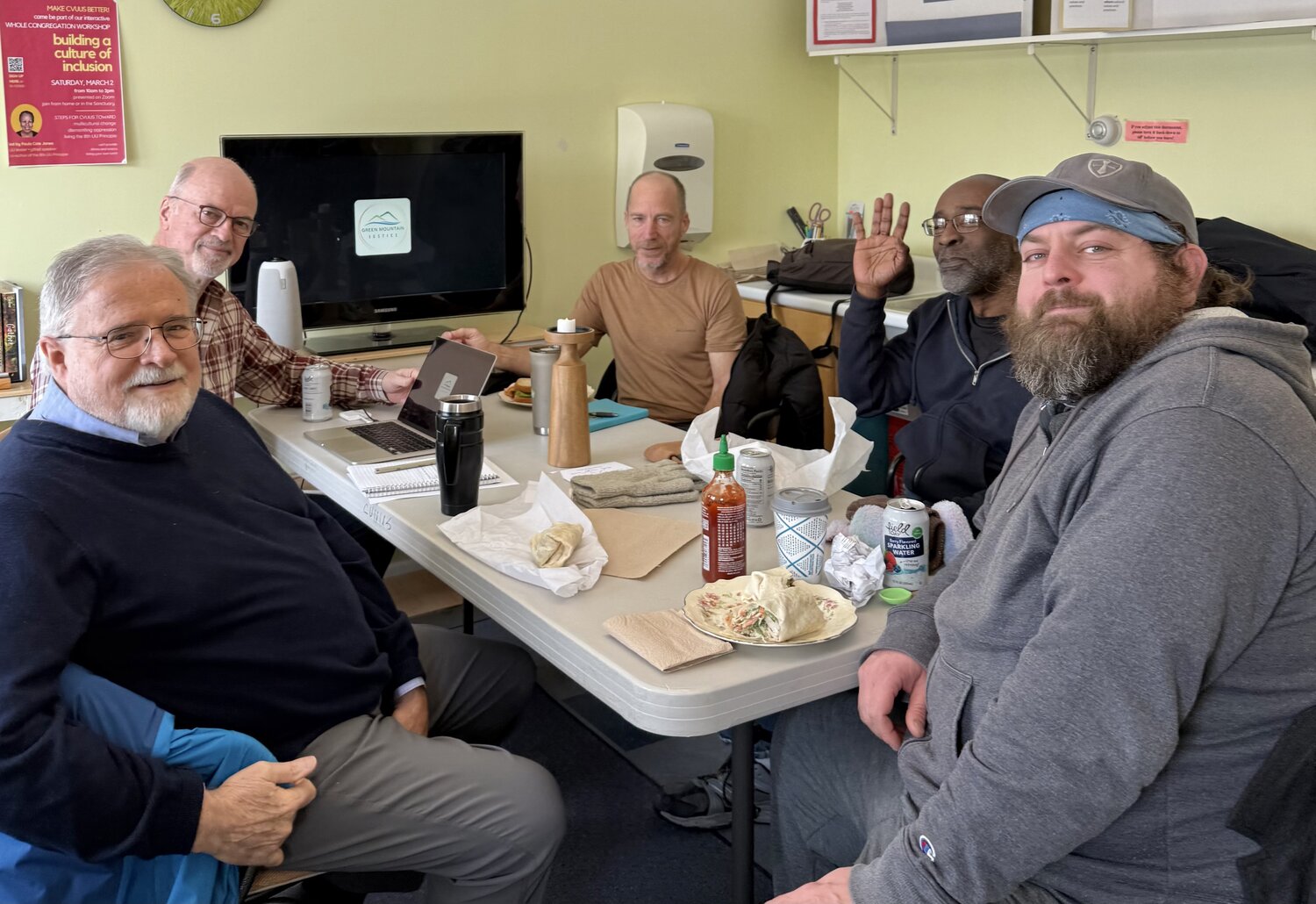
Our Neighbor Matters Council is something different entirely. This is an advisory body made up of neighbors with lived experience of marginalization. They guide our policy positions and advocacy work. Because if you’re going to talk about homelessness, housing, and poverty, the people who’ve actually lived it should be leading the conversation. Not the people who’ve kept their distance.
We’re also amplifying the voices that too often go unheard. Our Voices from the Edge podcast puts a microphone in front of the neighbors closest to the suffering. Not to speak for them. To let them speak for themselves. Because the people most affected by injustice and inequity are the ones who hold the keys to solutions.
And we’re working with strategic partners, including Vermont State University’s Center for Social Justice and Trauma-Responsive Care, to develop Bending the Arc: Proximity, Equity, and Transformation. This formation program prepares neighbors of privilege to authentically connect with and work alongside marginalized community members. It’s a justice-centered, trauma-responsive pathway from understanding to action.
Each of these is a fractal of connection. A pattern that can be replicated across Vermont’s community of communities. One congregation at a time. One neighborhood at a time. One relationship at a time.
The Invitation
Vermont will not buy its way out of a relational crisis. It spent up to a billion dollars and watched the numbers climb. The systems grew. The bureaucracy expanded. The buzzwords multiplied. Everyone got more comfortable. And 320% more Vermonters are homeless.
Comfort didn’t solve this. Comfort is what created the distance that made it worse.
Maybe it’s time to get uncomfortable. Maybe it’s time to get close.
Stepping toward is harder than writing a check. It means leaving the comfort zone. It means sitting with uncertainty. It means being changed by what you encounter.
But here’s what we know: proximity is not a burden. It’s a gift. When you walk with someone through their darkest valley, you discover something essential about what it means to be human. You discover that we belong to each other.